
Self-Care Isn't Selfish: Why It Matters (and 15 Creative Ways to Practice It)
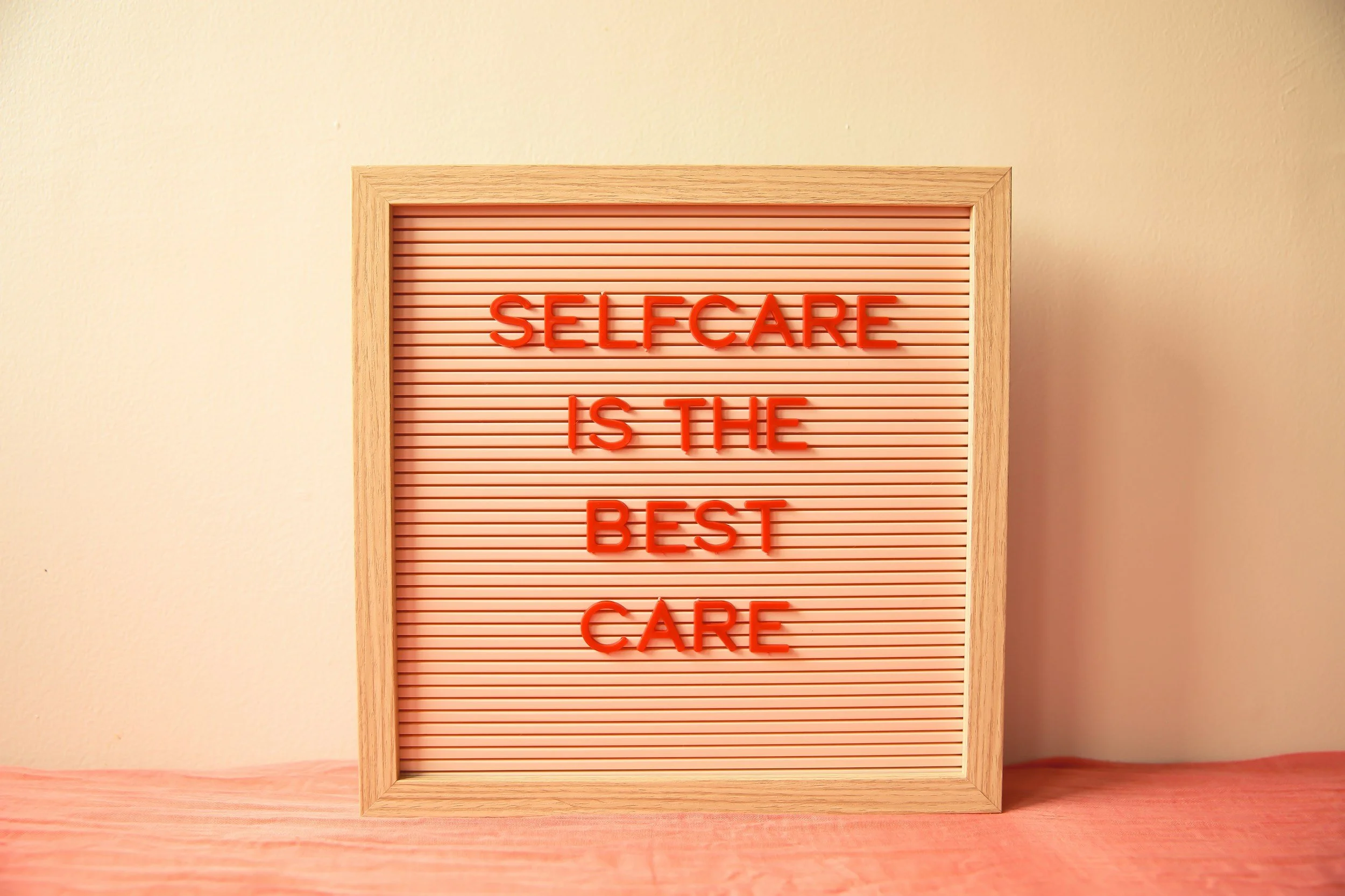
Every year on July 24, International Self-Care Day serves as a reminder that caring for yourself isn't a luxury—it's an essential part of maintaining your mental, emotional, and physical well-being.
When life gets busy, self-care is often the first thing to disappear from our calendars. We tell ourselves we'll rest after the next deadline, the next vacation, or when things "slow down." The reality is that life rarely slows down on its own. If we wait until we're completely exhausted, overwhelmed, or burned out to take care of ourselves, recovery becomes much harder.
As mental health professionals, we often remind our clients that self-care isn't about escaping your life—it's about supporting yourself so you can show up more fully in it.
What Self-Care Really Means
Social media has popularized the idea that self-care looks like spa days, bubble baths, or expensive vacations. While those activities can certainly be enjoyable, true self-care is much broader than occasional treats.
Real self-care includes the everyday habits that help regulate your nervous system, replenish your energy, and protect your emotional well-being. Sometimes self-care feels comforting. Other times, it looks like doing something difficult because it's ultimately good for you—setting boundaries, asking for help, getting enough sleep, scheduling therapy, or saying "no" when your plate is already full.
Self-care isn't selfish. It's preventative care for your mind and body.
When we consistently care for ourselves, we're often better able to:
Manage stress more effectively
Improve emotional resilience
Strengthen relationships
Reduce feelings of overwhelm
Increase focus and productivity
Better recognize our own needs
Prevent burnout before it starts
Think of self-care like charging your phone. You wouldn't expect your phone to function at 2% battery every day. The same is true for people.
Creative Self-Care Ideas You May Not Have Tried
If traditional self-care ideas don't resonate with you, try something a little different. The best self-care practice is the one you'll actually enjoy and return to.
1. Build a Comfort Box
Fill a small box with items that help you feel grounded—a favorite tea, comforting scent, photos, affirmations, cozy socks, fidget tools, or anything that reminds you you're safe and supported.
2. Make a Reverse Bucket List
Instead of focusing on what you haven't accomplished, write down ten experiences, challenges you've overcome, or moments you're proud of.
3. Watch a Sunrise or Sunset
Leave your phone behind and simply notice the colors, sounds, and rhythm of nature. Moments of awe can help calm the nervous system.
4. Write a Letter to Your Future Self
Offer encouragement, celebrate your progress, and remind yourself of the strengths you already possess.
5. Declutter One Small Space
Choose one drawer, one shelf, or your car's center console. Small acts of organization can create a surprising sense of mental clarity.
6. Create Without a Goal
Paint, color, build with LEGO®, doodle, or make something simply because it's fun—not because it has to be good.
7. Take Yourself on a Solo Date
Visit a coffee shop, bookstore, museum, or botanical garden. Spend intentional time learning what brings you joy.
8. Practice Doing Nothing
Set a timer for five minutes. No scrolling, no multitasking, no productivity—just breathe and notice the present moment.
9. Build a Soundtrack for Your Current Season
Create a playlist that reflects where you are today. Music has a powerful way of helping us process emotions and reconnect with ourselves.
10. Ground Yourself Through Your Senses
Notice five things you can see, four you can touch, three you can hear, two you can smell, and one you can taste. This simple exercise helps bring you back to the present when stress or anxiety takes over.
11. Surprise Your Future Self
Leave yourself a kind note on the bathroom mirror, inside tomorrow's planner, or tucked into your lunch.
12. Learn Something Just for Fun
Try origami, juggling, calligraphy, or learning a few phrases in another language. Engaging your curiosity is a wonderful form of self-care.
13. Take a Wonder Walk
Instead of focusing on steps or exercise, walk slowly and look for things you've never noticed before—birds, flowers, architecture, or interesting cloud formations.
14. Make a "Done List"
Rather than listing everything left to do, write down everything you accomplished today, including the small victories.
15. Practice Imperfection
Choose one thing to do "well enough" instead of perfectly. Self-compassion often begins by letting go of impossible standards.
Self-Care Looks Different for Everyone
One of the biggest misconceptions about self-care is that there's a "right" way to do it.
For some people, self-care means spending time with friends. For others, it means protecting quiet time alone. Some people recharge through movement and adventure; others need stillness and rest.
The key is asking yourself one simple question:
"What do I need today?"
The answer may change from day to day, and that's okay.
Remember: Small Steps Count
You don't need an entire weekend retreat or hours of free time to care for yourself. Five intentional minutes can be enough to interrupt the cycle of stress and remind your nervous system that you're safe.
Whether it's drinking a glass of water, stepping outside for fresh air, saying no to one more commitment, calling a friend, practicing deep breathing, or scheduling an appointment with a therapist, every small act of self-care matters.
Self-care isn't something you have to earn after you've done everything else.
It's something that helps you continue doing the things that matter most.
At Cottonwood Creek Wellness Center, we believe caring for your mental health is one of the most meaningful forms of self-care. If stress, anxiety, burnout, or life's challenges have become difficult to manage on your own, our therapists are here to help. Together, we can help you build sustainable habits that support your well-being—not just on International Self-Care Day, but every day of the year.
