
Suicide Prevention: How Connection, Conversation, and Community Can Save Lives
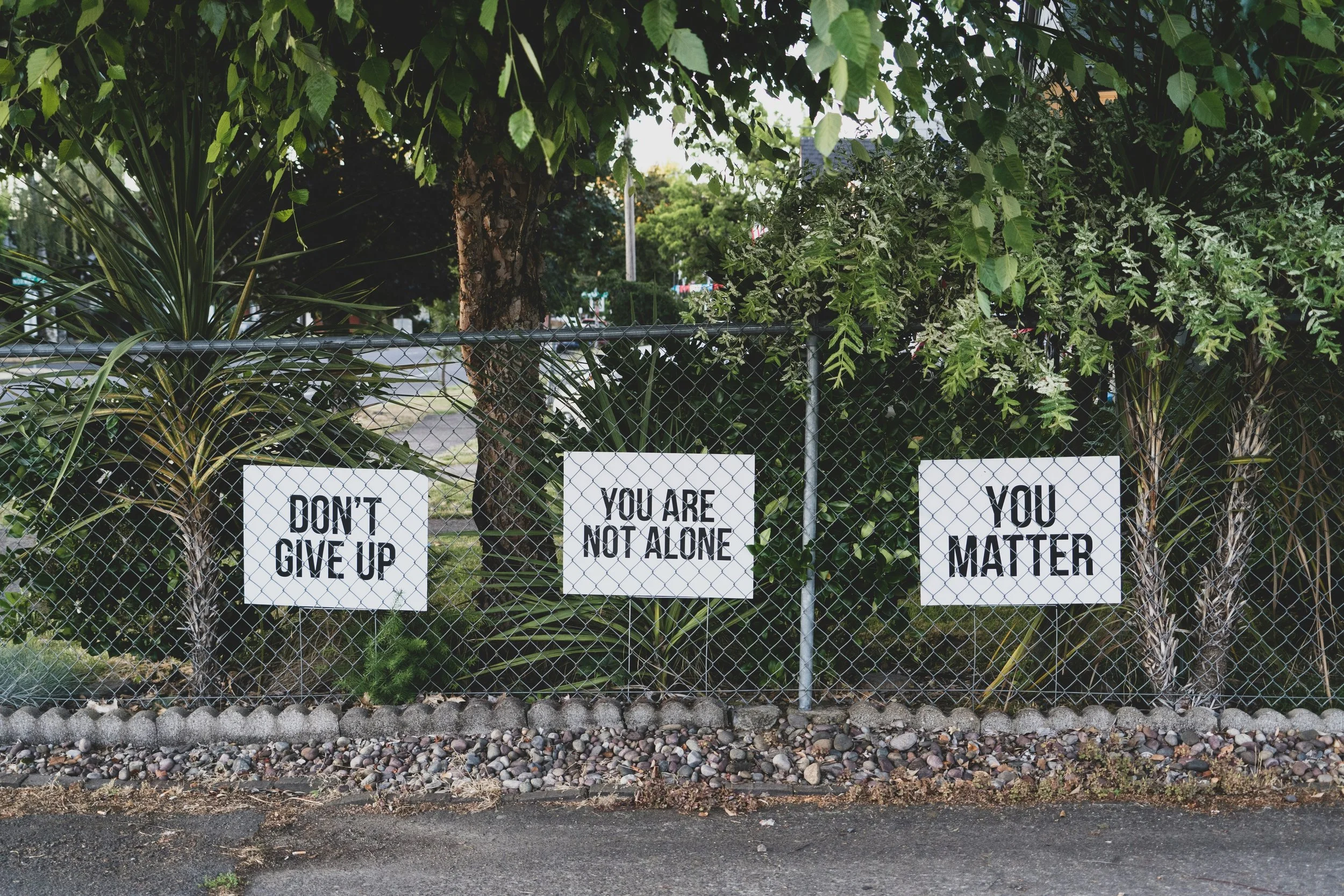
Talking about suicide can feel uncomfortable. We may worry about saying the wrong thing, making things worse, or not knowing what to do if someone tells us they are struggling.
But silence doesn't make difficult feelings disappear.
Suicide prevention starts with connection, conversation, and knowing where to turn for help.
September is Suicide Prevention Month, making it an important time to talk openly about suicide, learn how to recognize when someone may be struggling, and remind our communities that support is available. At Cottonwood Creek Wellness Center, we believe mental health care is about more than treating symptoms. It is about helping people feel understood, supported, and connected—and making sure they know they don't have to navigate difficult moments alone.
Why Suicide Prevention Matters
Suicide is a significant public health concern in Colorado and across the United States. In 2024, 48,824 people in the United States died by suicide. Millions more experienced serious suicidal thoughts, made a suicide plan, or attempted suicide.
Colorado continues to experience a suicide rate higher than the national rate. In 2024, 1,306 Coloradans died by suicide, with an age-adjusted suicide rate of 20.83 deaths per 100,000 people. These numbers represent more than statistics. They represent people: parents, children, partners, friends, coworkers, students, neighbors, and loved ones. And while these statistics can feel overwhelming, there is an important message within them: Suicide is preventable.
Prevention can happen through early intervention, access to mental health care, education, reducing isolation, strengthening protective factors, and creating communities where people feel comfortable asking for help.
Suicide Prevention Is About More Than Crisis
When we hear "suicide prevention," we may immediately think about crisis hotlines or emergency intervention. Those resources are incredibly important—but prevention begins much earlier.
It can look like:
Checking in with someone who seems to be struggling
Making time for meaningful connection
Learning how to recognize warning signs
Talking openly about mental health
Connecting someone with professional support
Participating in suicide prevention education
Creating communities where people feel like they belong
Sometimes prevention is a life-changing intervention. Sometimes it's a therapy appointment. And sometimes, it's simply sending a text that says, "I've been thinking about you. How are you doing?"
Recognizing When Someone May Be Struggling
Someone experiencing suicidal thoughts may not always directly say that they are thinking about suicide. Changes in behavior can sometimes be signs that someone needs additional support.
Possible signs of emotional distress include:
Changes in sleeping or eating
Feeling constantly tired or lacking energy
Difficulty concentrating or remembering
Increased anger, irritability, or agitation
Pulling away from friends or family
Increased risk-taking or significant behavioral changes
Increased use of alcohol or drugs
Feeling like they need to constantly stay busy
One sign alone does not necessarily mean someone is suicidal. However, noticeable changes in someone's mood or behavior can be a reason to check in. You don't need to know exactly what to say. You can start with something simple: "I've noticed you've seemed different lately. How are you doing?" And if you are concerned about suicide, it is okay to ask directly. Asking someone if they are thinking about suicide does not put the idea in their head. A direct, compassionate question can instead communicate that you care and are willing to have a difficult conversation.
Connection Can Be Prevention
One of the most powerful themes in suicide prevention is connection. The Pikes Peak Suicide Prevention Partnership emphasizes connection as an important protective factor and provides opportunities for people to build relationships and community. Their Connections Calendar highlights opportunities throughout the Pikes Peak region to connect with others.
Connection doesn't require a huge social network. It might mean:
Joining a support group
Having dinner with a friend
Attending a community event
Volunteering
Reaching out to someone you haven't talked to recently
Spending time with family
Finding a therapist or support professional
Getting to know your neighbors
This is also the idea behind Pikes Peak Rising, a Colorado Springs community initiative focused on mental health awareness, resilience, access to care, and social connection. Its 1,000 Neighborhood Gatherings initiative encourages neighbors to connect with one another and reduce isolation. Because sometimes suicide prevention starts with something that doesn't look like suicide prevention at all: Knowing someone cares that you're there.
You Don't Have to Be a Mental Health Professional to Help
Suicide prevention isn't only the responsibility of therapists, psychiatrists, or crisis professionals. We can all learn skills that help us recognize when someone may be struggling and know what to do next. The Pikes Peak Suicide Prevention Partnership offers several educational opportunities, including:
QPR: Question, Persuade, Refer: QPR teaches participants how to recognize warning signs of suicide, ask questions, and help someone connect with appropriate support.
Mental Health First Aid: Mental Health First Aid provides education and practical tools for recognizing mental health concerns and responding appropriately.
ASIST: Applied Suicide Intervention Skills Training (ASIST) is an intervention-focused training designed to help participants develop skills for responding to someone experiencing thoughts of suicide.
Perfectly Imperfect: Support Rooted in Love. This program focuses on supporting others with compassion and understanding while recognizing that none of us have to be perfect to make a difference.
Learning these skills can make difficult conversations feel less intimidating—and can help more people recognize that they have a role in prevention.
Local Resources for the Pikes Peak Community
If you or someone you love is struggling, there are resources available.
Pikes Peak Suicide Prevention Partnership
The Pikes Peak Suicide Prevention Partnership provides suicide prevention education, awareness, peer support, therapy, suicide-loss support, and family support services throughout the Pikes Peak region. Their support opportunities include groups such as:
Suicide Prevention Connection: An adult peer support group for adults 18 and older.
Understanding Your Suicide Grief: A 10-week closed group for adults who have experienced the loss of someone to suicide.
Becoming Yourself: A peer support group for young adults ages 18–25.
Teen Talk: A peer support group for teens ages 13–19.
For someone who feels alone in their experience, connecting with others who understand can be incredibly meaningful.
988 Colorado Mental Health Line
One resource everyone should know is 988. The 988 Colorado Mental Health Line is available 24 hours a day, 7 days a week. You can:
Call 988
Text 988
Chat online
You do not have to be actively suicidal to contact 988. The service can provide support for people experiencing emotional distress, mental health concerns, substance use concerns, or a crisis. You can also contact 988 if you are worried about someone else. Consider saving 988 in your phone today—before you need it. If someone is in immediate danger or experiencing a life-threatening emergency, call 911 or go to the nearest emergency department.
Building a More Connected Colorado Springs
Suicide prevention also happens at the community level. Pikes Peak Rising brings together organizations throughout the Colorado Springs and Pikes Peak region to promote mental health awareness, resilience, access to care, and connection. Their work includes initiatives designed to strengthen resilience, increase suicide prevention education, connect people with mental health resources, and encourage community involvement. Programs such as GRIT (Greater Resilience Information Toolkit) provide tools for building resilience and supporting others within our social networks. Community initiatives like these remind us that mental health doesn't exist in isolation. Our relationships, neighborhoods, schools, workplaces, families, and communities all play a role in our well-being.
What Can You Do?
You don't have to be an expert to contribute to suicide prevention.
Check in. If someone seems different, ask how they're doing.
Listen. You don't have to fix everything. Sometimes being heard is the first step toward feeling less alone.
Take concerns seriously. If someone tells you they are thinking about suicide, listen without judgment and help them connect with support.
Learn the skills. Consider taking a QPR, Mental Health First Aid, or ASIST training.
Create connection. Invite someone to dinner. Attend a community event. Join a group. Reach out to a friend.
Know 988. Save the number in your phone and learn what resources are available in your community.
Keep talking. The more comfortable we become talking about mental health and suicide, the less people have to struggle in silence.
Hope Is Part of Prevention
Suicide prevention isn't simply about preventing a death. It is about creating opportunities for someone to experience something different from the pain, hopelessness, or isolation they may be experiencing in a difficult moment. It is about making sure people know:
You matter.
You are not a burden.
You don't have to figure everything out today.
Help is available.
And sometimes, the first step toward hope is simply knowing someone is willing to sit with you in the hard moments.
At Cottonwood Creek Wellness Center, we believe reaching out for support is a sign of strength—not weakness. Whether you're experiencing a mental health crisis, navigating a difficult life transition, supporting a loved one, or simply feeling like something isn't quite right, connecting with the right support can make a difference.
If You Need Help
If you or someone you know is experiencing thoughts of suicide or a mental health crisis, call or text 988 for immediate support.
For ongoing support, consider connecting with a qualified mental health professional who can help you understand what you're experiencing, develop healthy coping strategies, and build a stronger foundation of support.
You don't have to navigate it alone.
Connection is prevention. Conversation is prevention. Reaching out is prevention.
